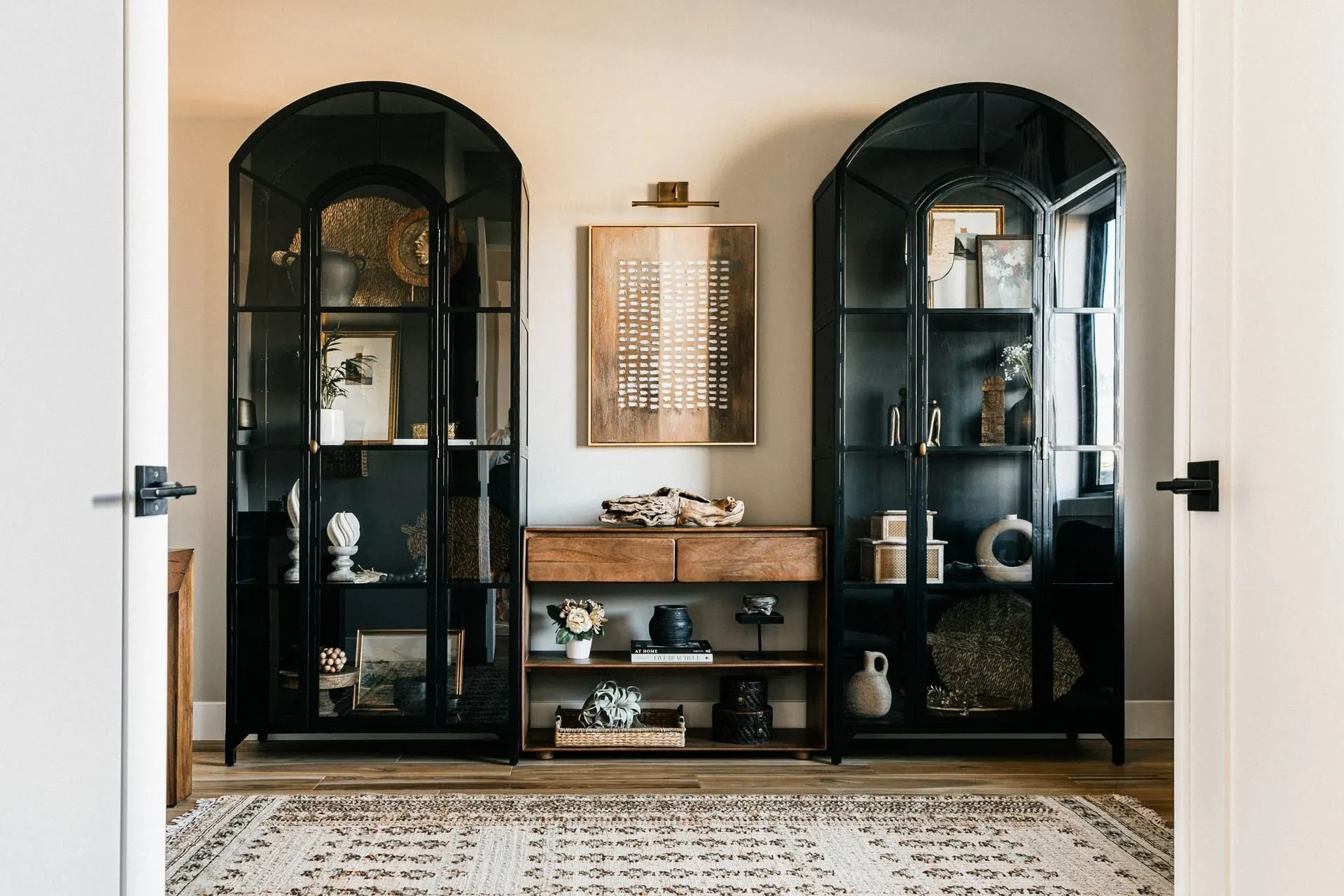
Wenatchee Interior Design
Interior Design in Wenatchee: What to Expect
A plain account of how working with an interior designer actually goes in Wenatchee: the first conversation, what a scope depends on, how fees are structured, and how long each phase really runs.
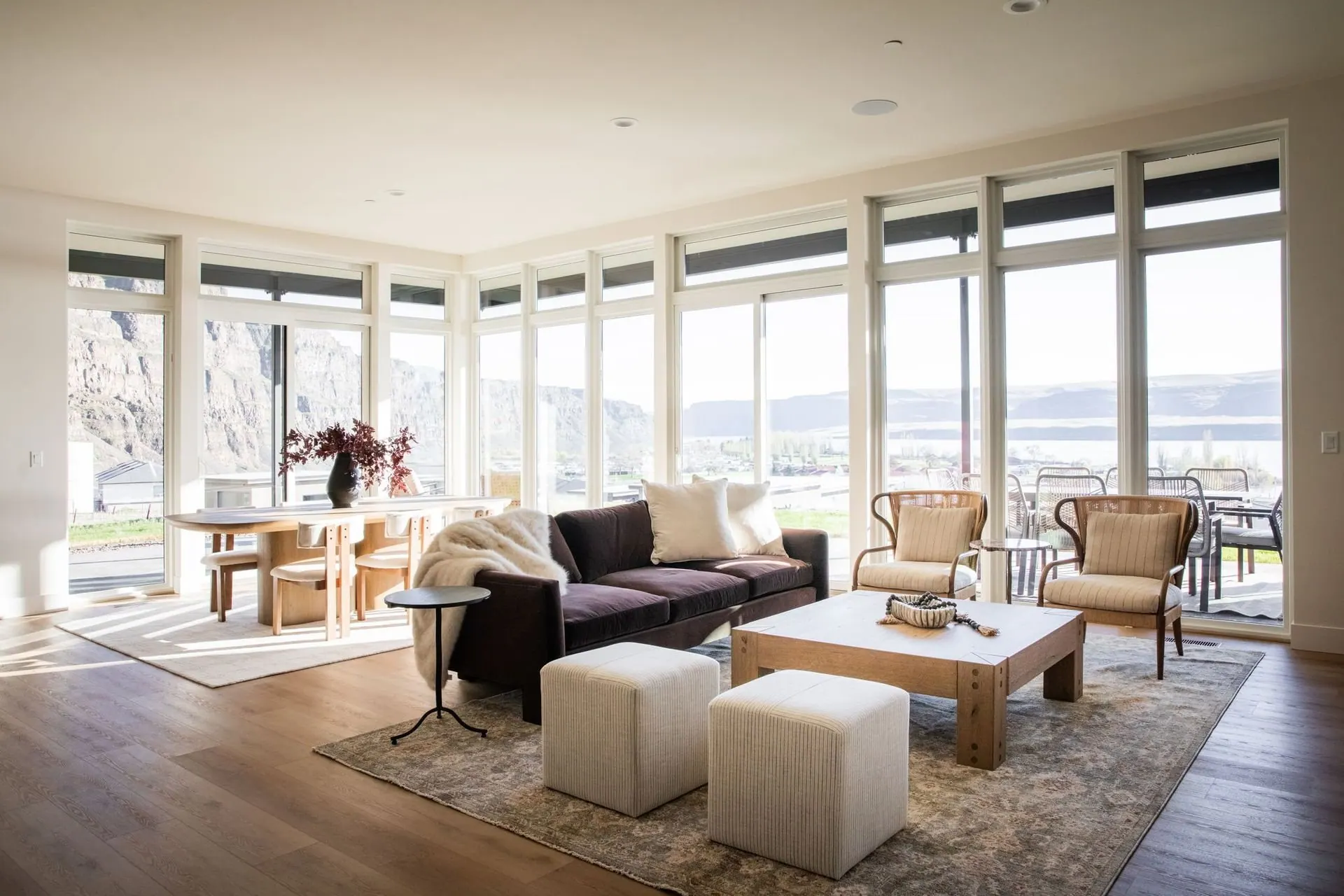
Most people put off calling an interior designer for the same reason: they cannot picture how it works. You have a fair sense of how you want the house to feel. What you do not have is any idea what the first call sounds like, what you would be agreeing to, or what it costs before anyone has stood in the room.
So here is the process described plainly, for a homeowner in Wenatchee who has never hired a designer before. What happens, in what order, and where first-time clients tend to get caught off guard.
The first conversation is mostly questions about your life
A first call is short, and it is not a design meeting. Nobody will suggest a paint color. The point is to find out whether the project and the studio are a sensible match, which comes down to what you are building or changing, when it has to happen, and roughly what you are prepared to spend on the interior.
Expect questions that feel domestic rather than design-led. How many people sit down to dinner on a normal weeknight. Which door everyone genuinely walks in through, because in this valley it is rarely the front one. Where the late afternoon sun lands in July, and whether that is welcome or something you have been enduring. Those answers shape a floor plan long before they shape a palette.
What to have ready before you call
- The address or lot number, and whether you own it yet.
- Any plan set from your architect or builder, even a rough draft.
- The date your builder needs finish selections, if you have one.
- A photo of every room in the project, taken from the doorway.
- A number you are comfortable spending, or a ceiling you would not want to cross.
That last one stops people. It feels like showing your hand too early. It is the opposite. A designer who knows your ceiling can protect it, and can tell you on the first call if the scope you just described will not fit inside it. Far cheaper in week one than in month four.
Why nobody can quote you from a phone call
Fees are quoted against scope, and scope is not square footage. Two kitchens of identical size can be entirely different projects. One keeps its plumbing runs and cabinet boxes. The other moves a wall, relocates a gas line and gains a window. The second needs drawings, far more coordination with trades, and several hundred more decisions.
Before a proposal can be written, a designer needs to pin down:
- Which rooms are in and which are out, listed room by room, in writing.
- Whether walls, windows or plumbing are moving, since that pulls in a builder and sometimes an engineer.
- Who is already on the team, and what has been ordered or decided without you.
- Whether furniture, window treatments and styling are included or left to you later.
- The date the first decision has to land, which the construction schedule sets, not you.

That last point catches first-time clients constantly. On a build, the interior calendar is not yours. Cabinet shops need door style and box layout weeks ahead of install. The electrician needs fixture locations before rough-in wiring, not after. Tile has to be on site before the setter is booked. A designer works backwards from that schedule, which is why bringing it to the first meeting doubles its value.
How design fees are generally structured
Fee structures vary from studio to studio, and it is fair to ask how one charges before you go further. Across residential interior design the common approaches are a flat fee for a defined scope, an hourly rate for guidance, a fee tied to the value of the goods purchased, or some combination once furnishing enters the picture.
None is inherently better. A flat fee gives you one predictable number, and it works when the scope is drawn tightly enough to be honest. Hourly suits a homeowner who wants an expert at a handful of decision points rather than a full-service project, which is what interior design consulting exists for. Purchasing-based arrangements make sense when the studio is sourcing, tracking and receiving furniture for you, because that work continues long after the drawings are finished.
Questions worth asking about any fee
- What is included, and what specifically triggers an additional charge.
- How revisions are handled, and how many rounds the fee assumes.
- Who owns a furniture order if a piece arrives damaged.
- What happens if the project pauses, which on a build is common.
- Whether site visits, deliveries and install days sit inside the fee.
A studio that answers those plainly is also telling you how the rest of the project will run.
What stays your job
Hiring a designer moves a great many decisions off your desk. It does not move all of them, and getting clear about the split early prevents most of the friction later.
You still hold the money. The contract with your builder, the payments to trades, and the final yes on every purchase stay with you. You are also the only person who knows what nobody could guess: that the guest room becomes an office each January, that your parents come for six weeks every summer, that you have hated overhead light your whole life. Say those out loud, early, and more than once.
- Approving selections inside the window you were given. A late approval moves the install date, not the deadline.
- Naming the pieces you intend to keep before the furniture plan is drawn, not after it is presented.
- Providing access: a key, a gate code, or a person on site for measures and deliveries.
- Saying you dislike something while it is still a drawing.
The most expensive habit a homeowner can have is being polite about a selection they quietly dislike. Say it in the meeting. On paper it costs nothing to change.
How long each phase usually runs
Timelines move with scope, but the shape stays consistent. The surprises are almost always at the back end rather than the front.
Discovery and direction
Site measure, plan review, and agreeing a direction for the home. Usually a matter of weeks rather than months, and it moves at exactly the speed of your feedback. Slow responses here quietly become a rushed selections phase later.
Selections and coordination
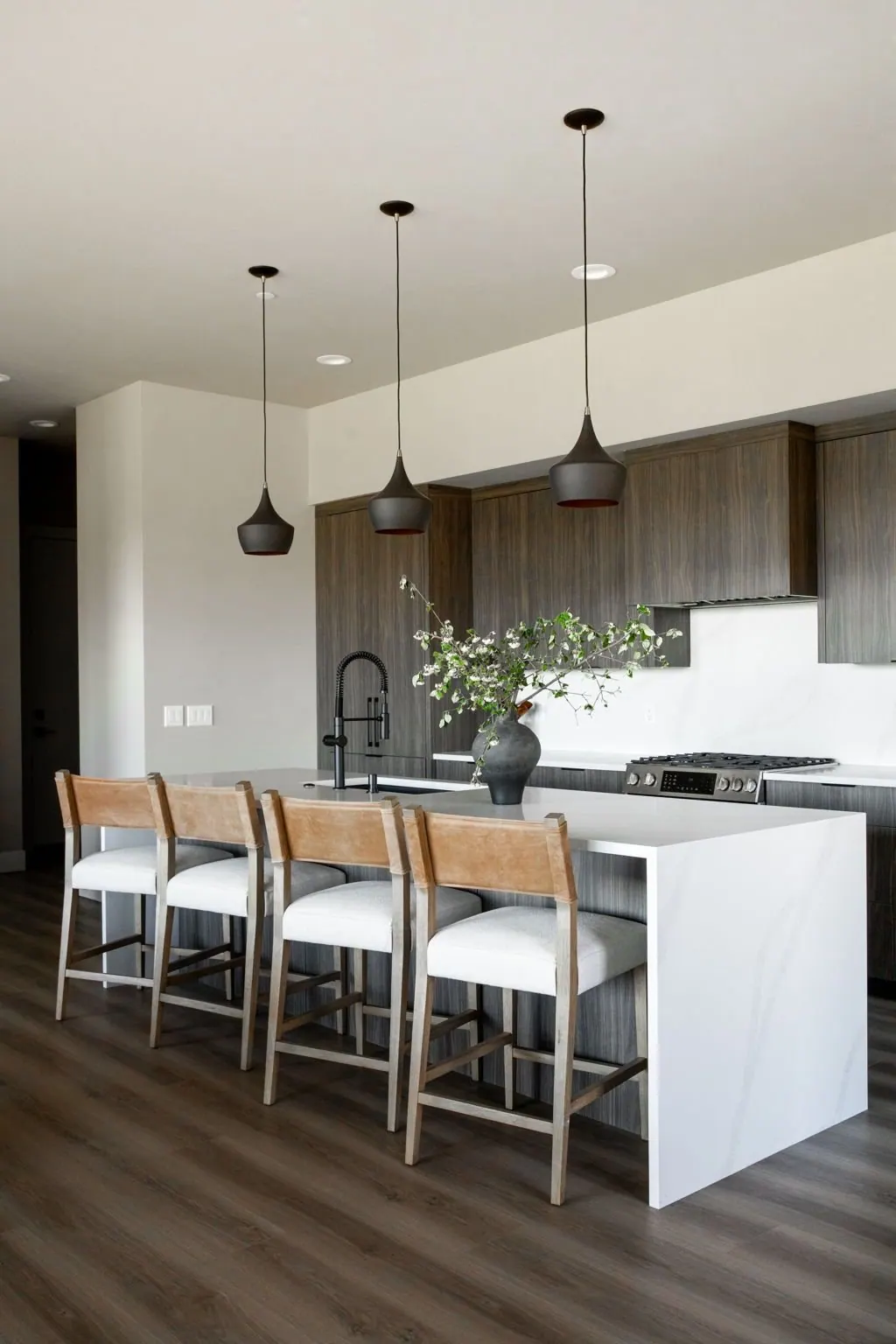
Cabinetry, counters, tile, flooring, plumbing fixtures, hardware, paint and lighting, presented in rounds and issued to your builder as written specifications. It runs alongside construction and stretches or compresses to fit the build. Finish and material selection is the busiest stretch for you as a client, so plan travel around it if you can.
Furnishing, ordering and install
The longest phase, and the one with the least to show for it week to week. Custom upholstery and made-to-order case goods carry lead times quoted in months rather than weeks. Window treatments are usually measured only once the trim is in and the floors are down. Ordering in a hurry does not make fabric arrive faster, which is why furniture planning starts while the walls are still open.
An hour of homework you could do today
None of this needs a designer to begin. Spend an hour on the following and you will arrive at a first meeting further ahead than most people ever get.
- Photograph every room from the doorway, then from the opposite corner.
- Write down the three things that irritate you most about how you live in the house, not how it looks.
- Ask your builder when finish selections are due. With no builder yet, expect that to be their first question to you.
- Measure the narrowest doorway and tightest stair turn between the street and the room. That number rules out sofas you will never be shown.
- Decide which existing pieces are staying no matter what anyone advises.
That is the same hour a designer would otherwise spend at your first meeting. Doing it beforehand means the first hour together goes to your house rather than to the paperwork about your house.
Dwelling Design works with homeowners across Wenatchee and the surrounding valley on new builds, renovations, and homes that simply need finishing properly. If you are wondering whether it is too early to call, it almost certainly is not.